FIRE GAP
Fire Incident Response Education, Guardianship and Preparedness
Rural Alaska communities experience a disproportionate number of fire fatalities. In the past 20 years, 8.7 times more fire fatalities have occurred in rural communities than urban ones.
Fire Incident Response Education, Guardianship and Preparedness (FIRE GAP), focuses on strengthening rural Alaska fire resiliency and reducing fire fatalities through in-community fire preparation training.
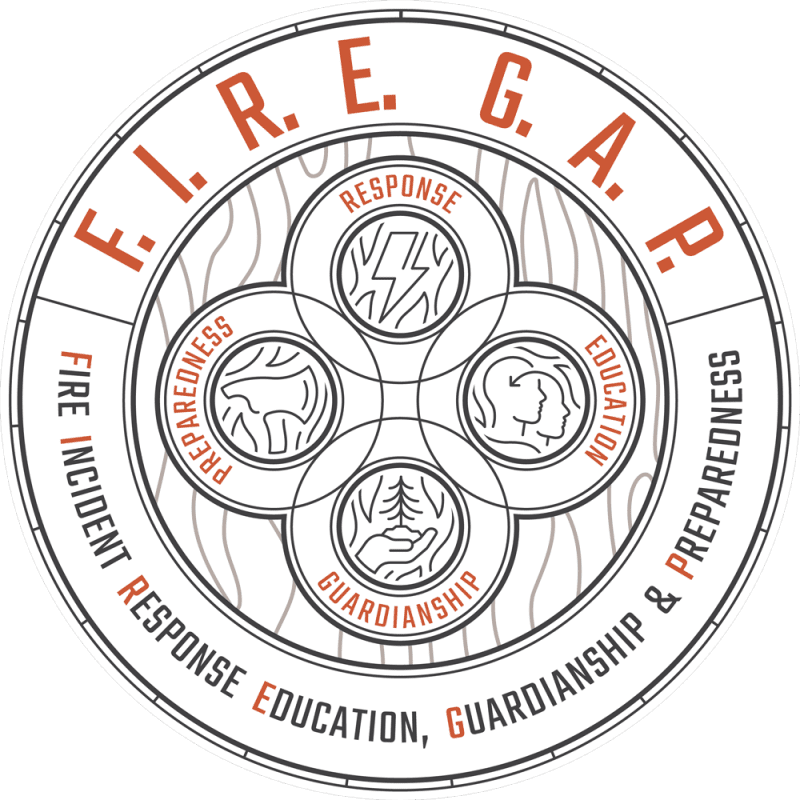
INFORMED READINESS | PROACTIVE SAFE RESPONSE
KNOWLEDGEABLE LOCAL OVERSIGHT
Response
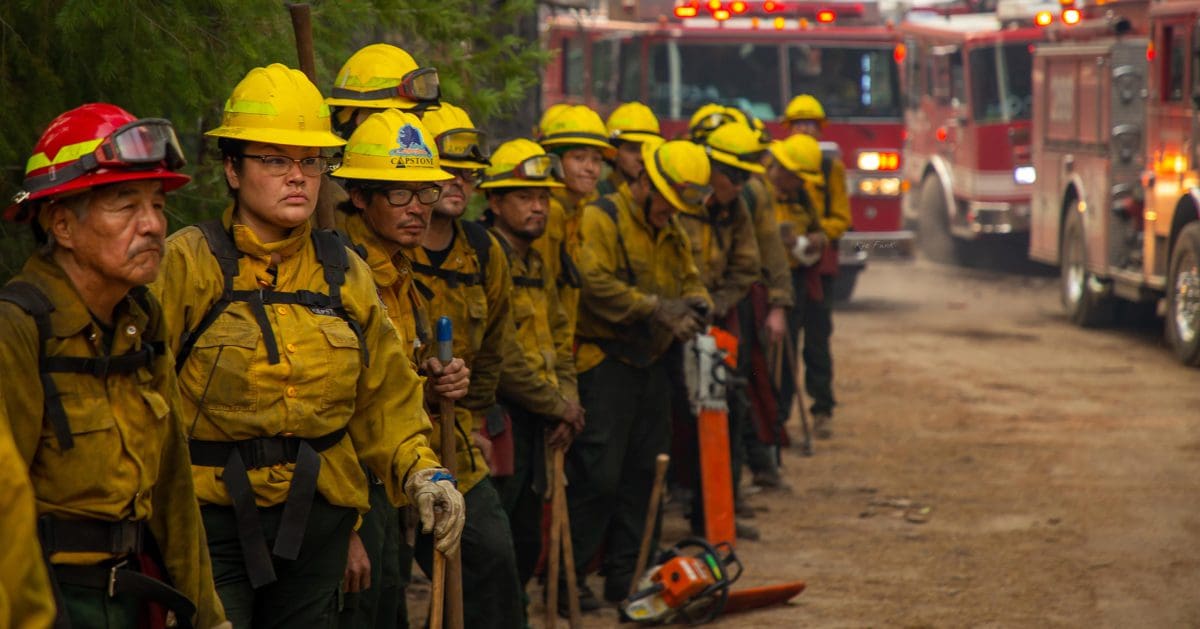
FIRE GAP bridges knowledge and skill gaps, and builds upon a community’s limited or no fire response capabilities, so that rural Alaska communities can make informed and locally led decisions about emergency fire planning and response.
Education
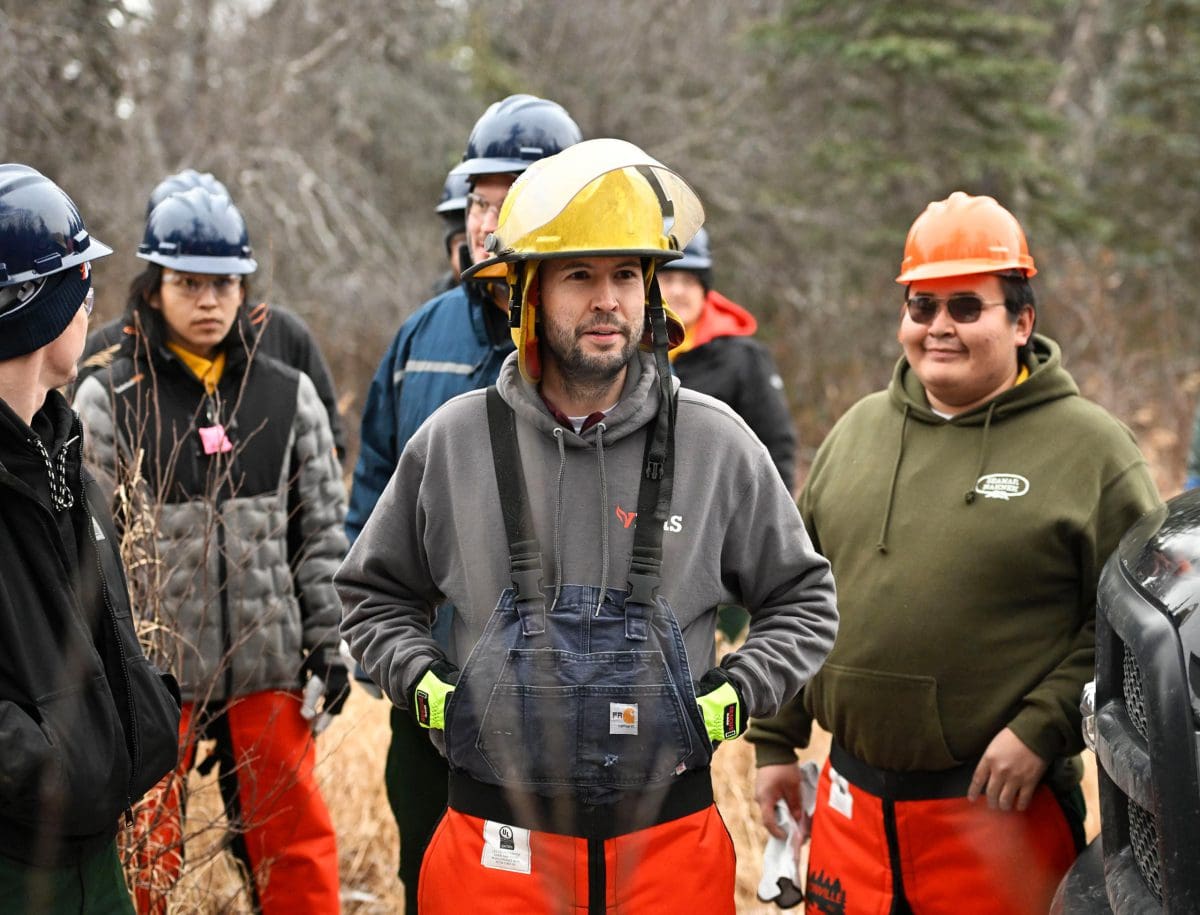
FIRE GAP training empowers community members to prevent and manage structural and wildland fires by providing tools for community education and building a scalable training program.
Preparedness
FIRE GAP includes mentoring individual community members to pursue additional emergency response training certifications and guidance on how to acquire the necessary firefighting equipment to meet a community’s needs.
Guardianship
Components of the training include outreach with youth to maximize a holistic approach to community engagement and foster potential future workforce opportunities.
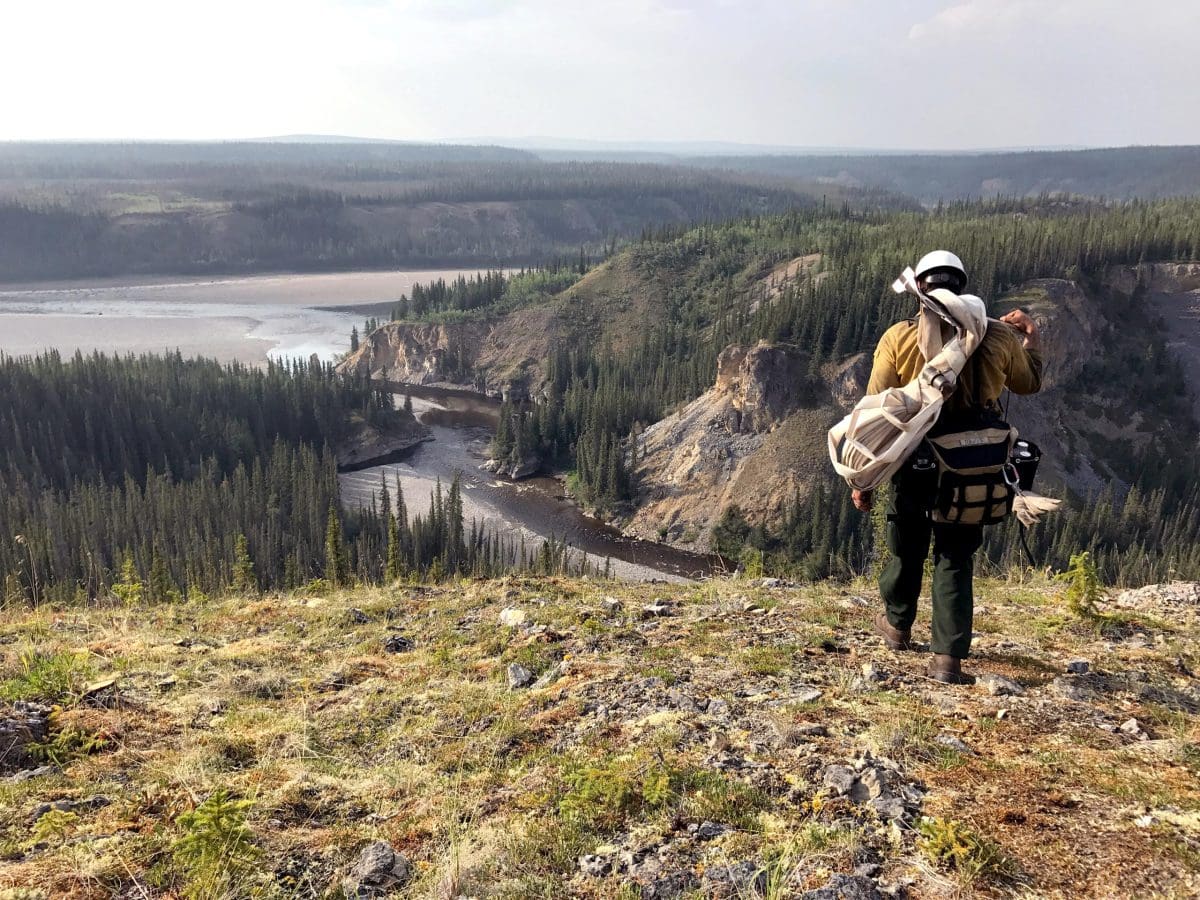
Appropriate fire prevention equipment is recommended by the FIRE GAP technical assistance team in partnership with federal and state agencies and when possible, provided, based on a community’s capacity. Available equipment includes water extinguishers, backpack fire pumps, home fire blankets, battery-powered weed blowers, weed trimmers, chainsaws, and hedge trimmers.
In collaboration with the American Red Cross of Alaska, technical assistance teams provide home assessments and training courses, including residential smoke alarm installations, and first aid and CPR training.
Additionally, in partnership with the Alaska Native Tribal Health Consortium’s Healthy Homes project, communities are able to install PurpleAir monitoring systems, which collect air-quality data.
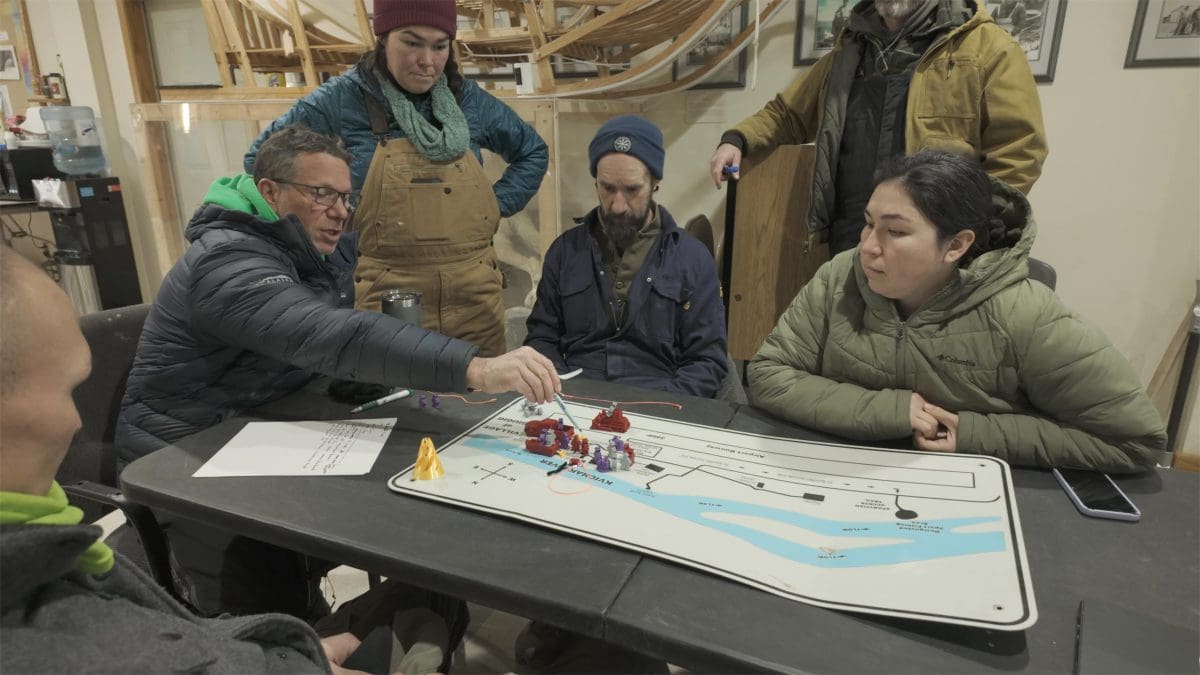
FIRE GAP aims to enhance community-led capacity by implementing tailored fire gap training programs in Alaska’s rural and tribal regions.
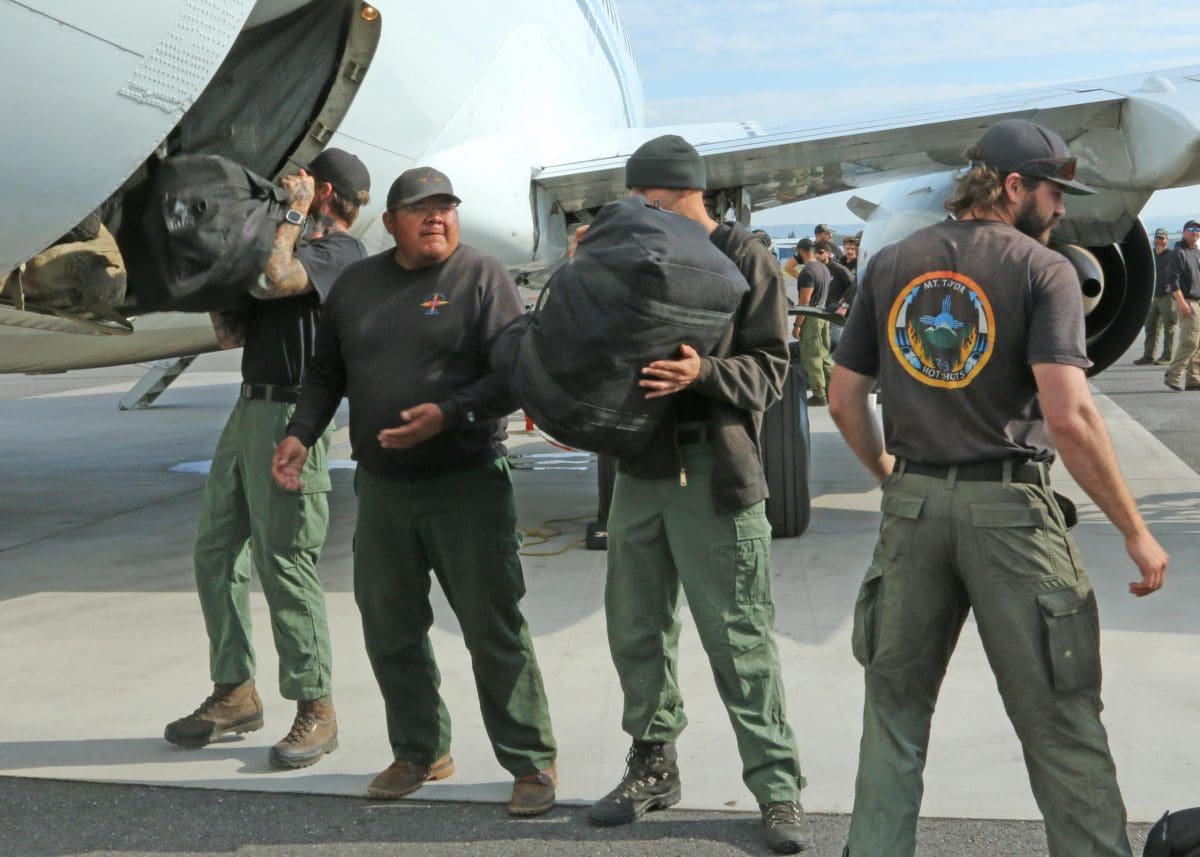
Technical instructor teams composed of experts in wildland and structural response, and public education are trained to work in remote areas through train-the-trainer courses; this training includes developing comprehensive skills and cultural competence to foster respectful and effective collaboration with Indigenous communities.