Why Fire Adapted Alaska Now
Alaska is at a profound moment in wildfire risk and adaptation.
Fire Adapted Alaska is necessary to fill critical system gaps and brings a holistic, proactive, and community-centered approach to wildfire resilience.
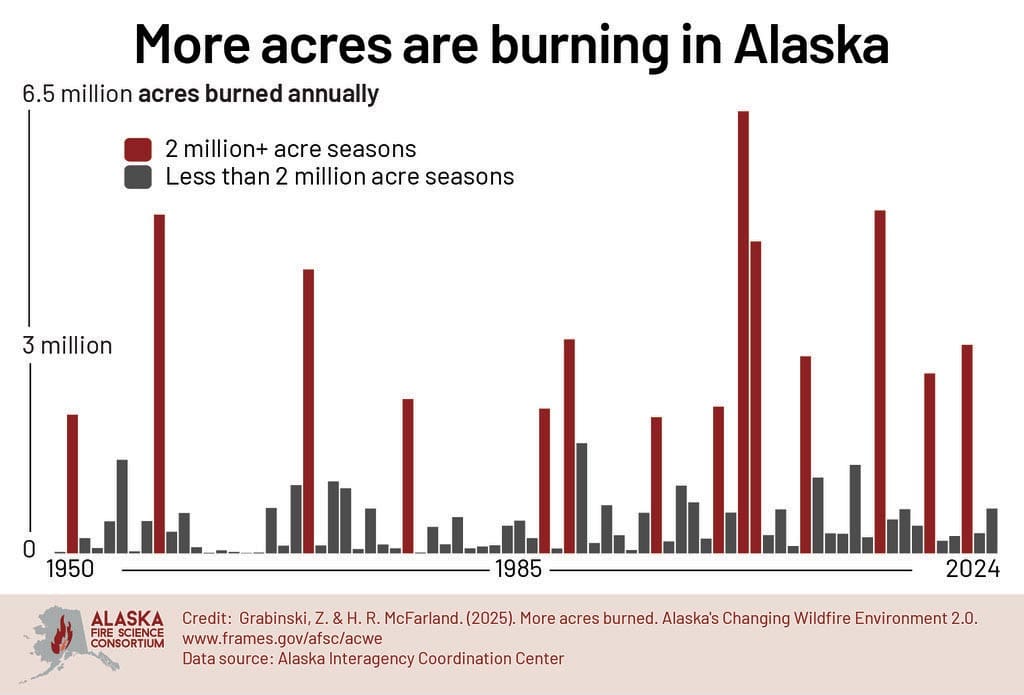
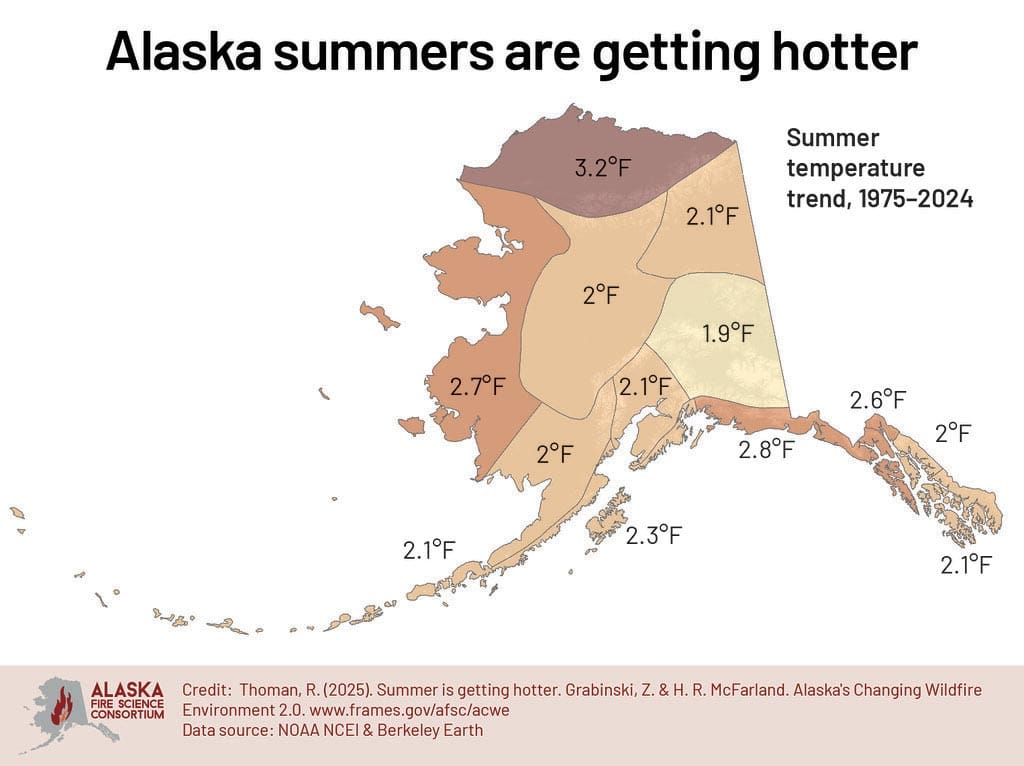
Climate change is accelerating risk faster than systems can adapt.
Wildfire seasons are longer, fires are more intense, and previously low-risk areas are becoming vulnerable. Alaska needs a coordinated, future-focused approach that prepares communities and ecosystems before disaster strikes.
Current efforts are heavily focused on suppression, not adaptation.
Fire Adapted Alaska shifts the focus from response to readiness and long-term adaptation: home hardening, defensible space, cultural fire use, education, and community planning.
Community capacity is limited, especially in rural Alaska.
Fire Adapted Alaska meets communities where they are—providing scalable support, training, and coordination.
Existing programs are siloed and uncoordinated.
Agencies, local fire departments, tribal governments, nonprofits, and universities are all doing important work—but often operate in parallel without shared goals, data, or communication systems. Fire Adapted Alaska acts as a unifying platform, aligning efforts under a common vision.
There is no statewide strategy for building long-term wildfire resilience.
While some communities have Community Wildfire Protection Plans (CWPPs), there is no overarching strategy to ensure that all Alaska communities, especially Indigenous and rural ones, have access to the same tools, resources, and support. Fire Adapted Alaska fills that gap with both statewide coordination and local empowerment.
It’s proactive, not reactive.
Most wildfire investment in Alaska goes to suppression—after the fire is burning. Fire Adapted Alaska prioritizes prevention and adaptation: preparing communities to withstand fire before it arrives, ultimately reducing loss, costs, and risks to responders.