What We Do
Support Fire-Resilient Landscapes
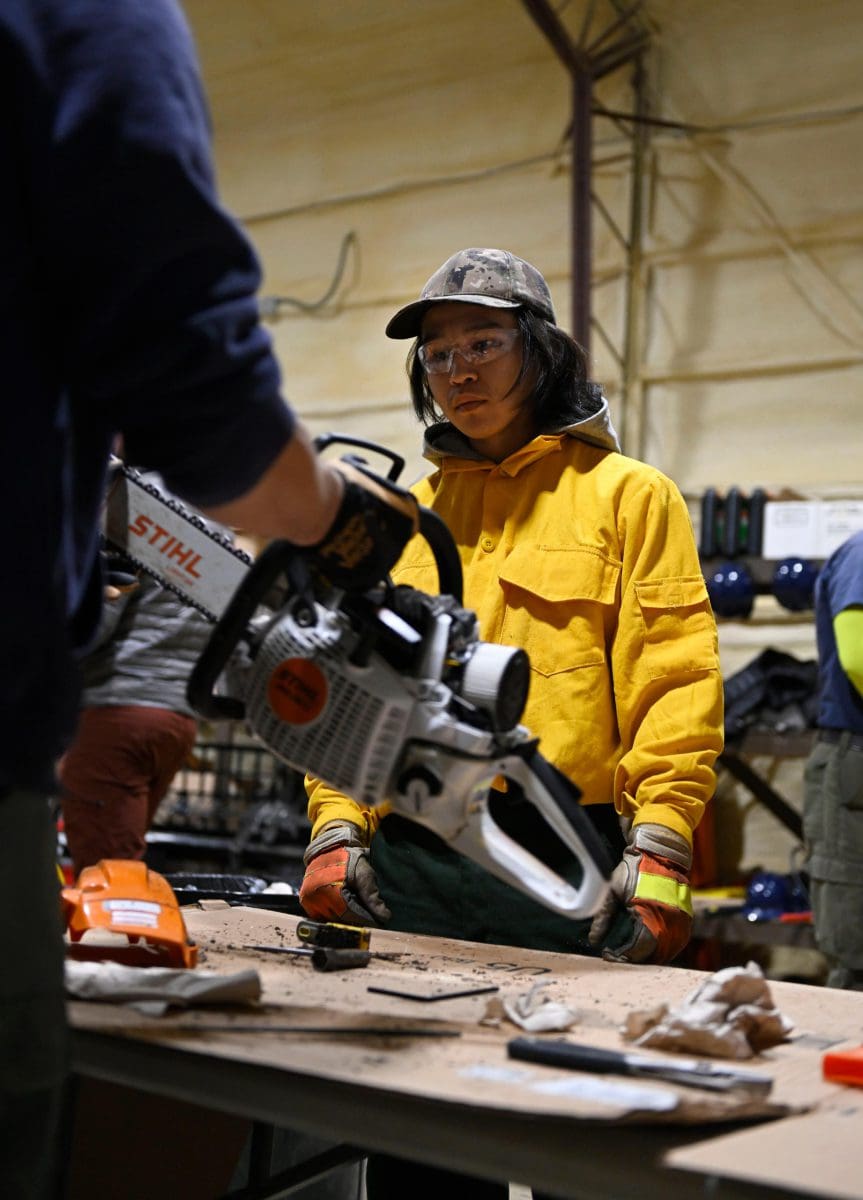
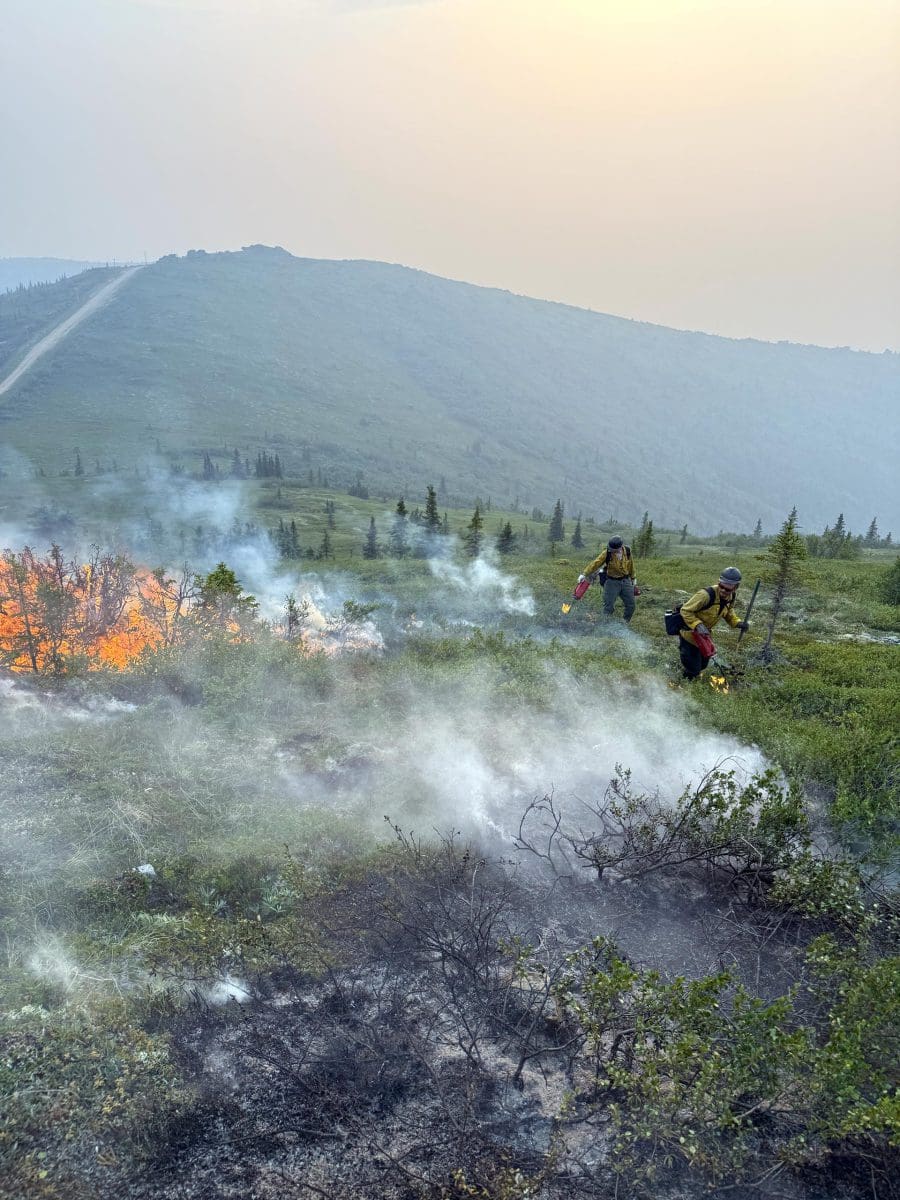
Promote sustainable forest management, such as prescribed burns and thinning, to reduce wildfire fuels.
Why It Matters
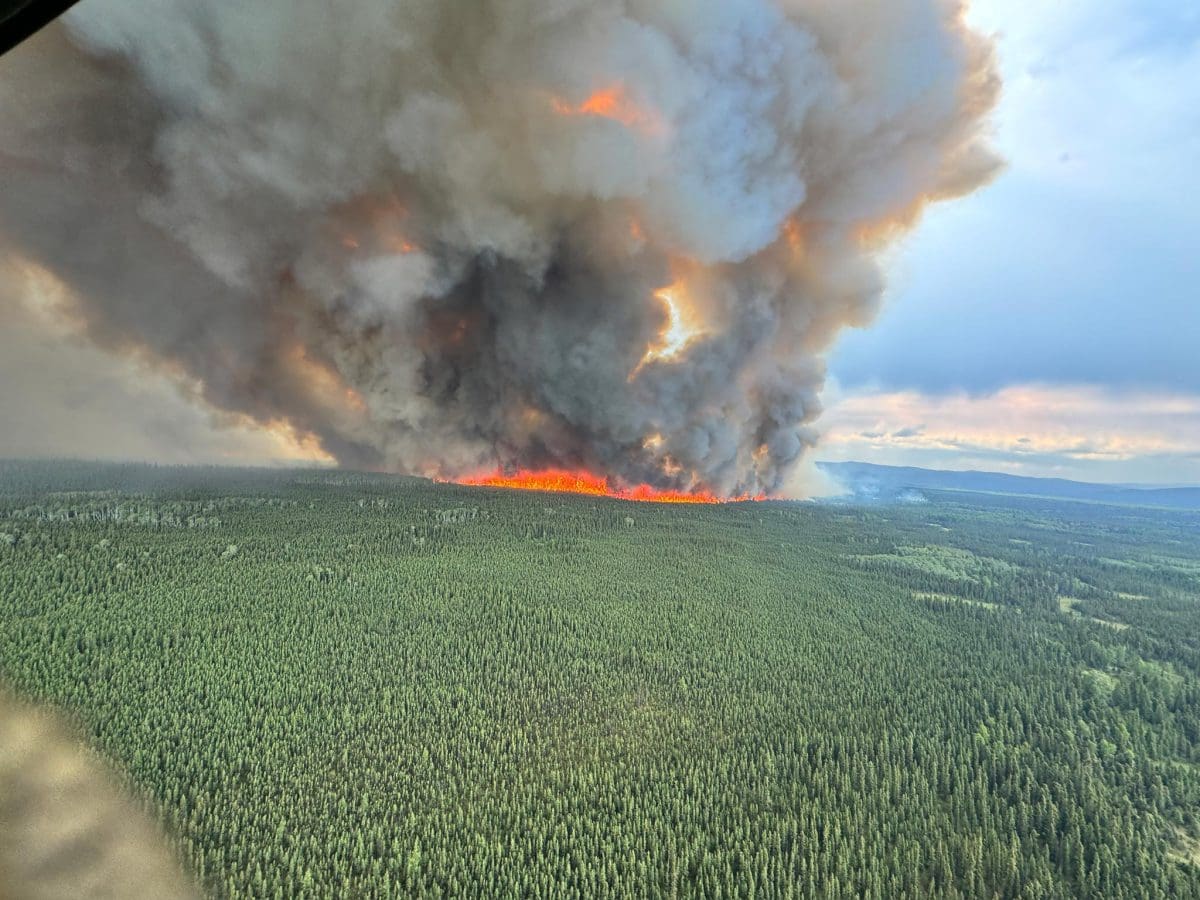
Increasing Wildfire Frequency and Intensity
Over recent decades, Alaska has faced an alarming rise in wildfire activity. The 2019 and 2022 fire seasons burned millions of acres, threatening homes, disrupting subsistence activities, and impacting wildlife habitats.
Rural and Urban Vulnerabilities
Many Alaska communities, especially remote rural areas, lack the resources to adequately prepare for or respond to wildfires. Disruptions to transportation, food supplies, and communication can have devastating consequences.
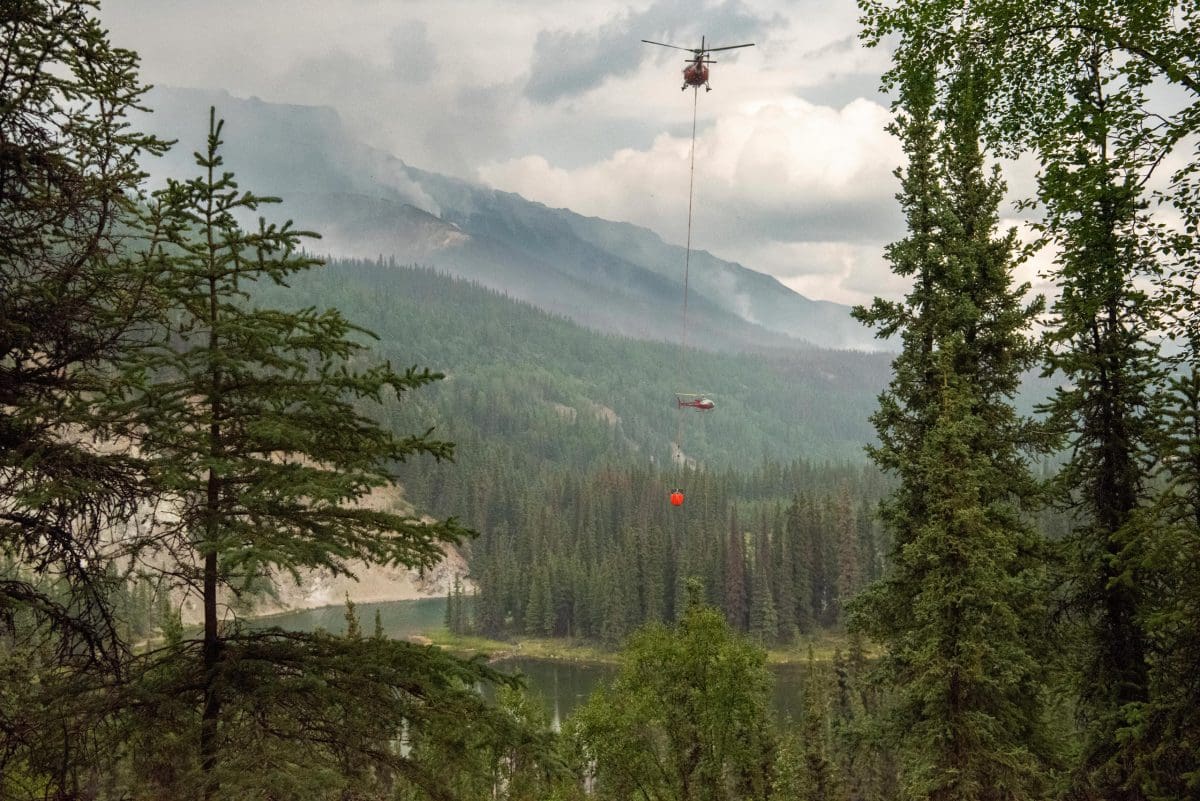
Climate Change and Environmental Challenges
Rising temperatures, earlier snowmelt, and prolonged drought are creating ideal conditions for wildfires, putting increased pressure on firefighting resources and communities alike.
Economic and Social Impacts
Wildfires strain local economies, affect public health through smoke exposure, and jeopardize cultural traditions tied to the land. Proactive adaptation can mitigate these impacts and build long-term resilience.